Warning: This website's material is very serious, disturbing, and emotional. The images/videos from prisons or incarcerated people are haunting. This will be an uncomfortable read, but an important one.
Explore Alabama Prison Conditions
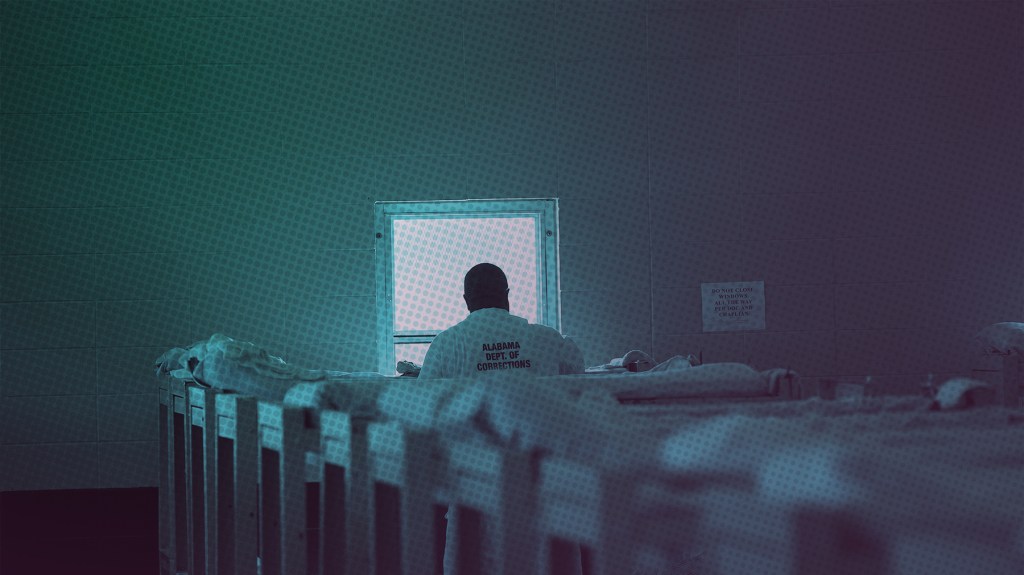
Prisons are places of violence. Since their inception, they have been places of excessive cruelty and unjust sentencing. This project will focus on critiquing the prison industrial complex in occupied Turtle Island, also known as the United States. Specifically, I will focus on Alabama, the colonial name for the land that has historically been stewarded by the Indigenous peoples of the Creek Nation, Cherokee Nation, Chickasaw Nation, and Choctaw Nation.1 Calling out colonization at all levels is essential to building a safer, healthier, and more just world. We cannot talk about prisons in the United States without simultaneously denouncing the violence against Indigenous peoples and land. White settler-colonialist inhumanity is responsible for slavery and its reformation to modern-day prisons. This website will focus on how prisons exist as a site of continual health violence, a term I am using to describe harm that targets a person’s physical and mental well-being. The recognition of rampant health violence in prisons builds up to the broad argument that prisons exist as a public health crisis.
I am choosing Alabama as the case study for this broader argument against prisons because I am from Southern Alabama and want to focus on a place I know, love, and want people to know about. Alabama is known for its unlivable prison conditions and its specific history of slavery has influenced its policing and incarceration tactics, and makes Alabama an important place for abolitionist research. I want this project to showcase the neglected problems with Alabama’s prisons and to simultaneously highlight the ongoing resitance, community, and organizing against Alabama prisons; movements like Free Alabama Movement lead the way.
“When you say, “What would we do without prisons?” what you are really saying is: “What would we do without civil death, exploitation, and state-sanctioned violence?”2
Mariame Kaba, We Do This ‘Til We Free Us, 2.
 PRISONS ARE A PUBLIC HEALTH CRISIS: ALABAMA PAVES THE WAY